What to Expect From a NEMT Ride
Learn what happens before, during, and after a non-emergency medical transportation ride so you can feel prepared, safe, and confident before your first booking.
When people think about transportation, safety is often reduced to basic driving. But in the context of medical transportation, safety goes far beyond that.
Patients are often dealing with health conditions, reduced mobility, or recovery from procedures. This means that even small details, such as how a patient enters a vehicle or how smoothly the ride is handled, can have a significant impact on their well-being.
A safe transportation experience is not defined by speed or convenience. It is defined by how well the service protects and supports the patient throughout the entire journey.
In a medical transportation setting, the driver’s role is different from that of a standard driver. It is not only about operating a vehicle but also about assisting patients in a safe and respectful manner.
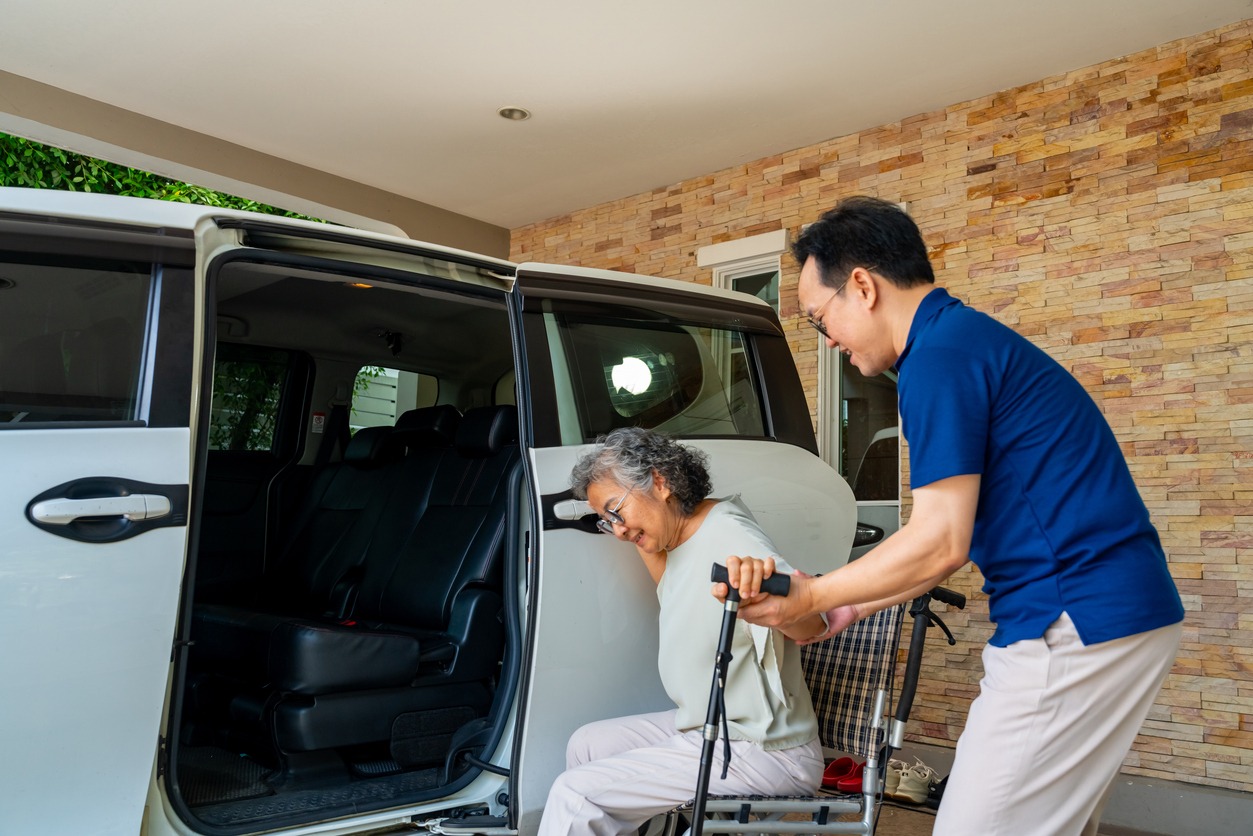
Proper training ensures that drivers understand how to support patients with different needs, whether that involves helping someone walk safely, assisting with transfers, or ensuring that a wheelchair is secured correctly.
Without this level of training, even a short trip can become uncomfortable or risky for the patient.
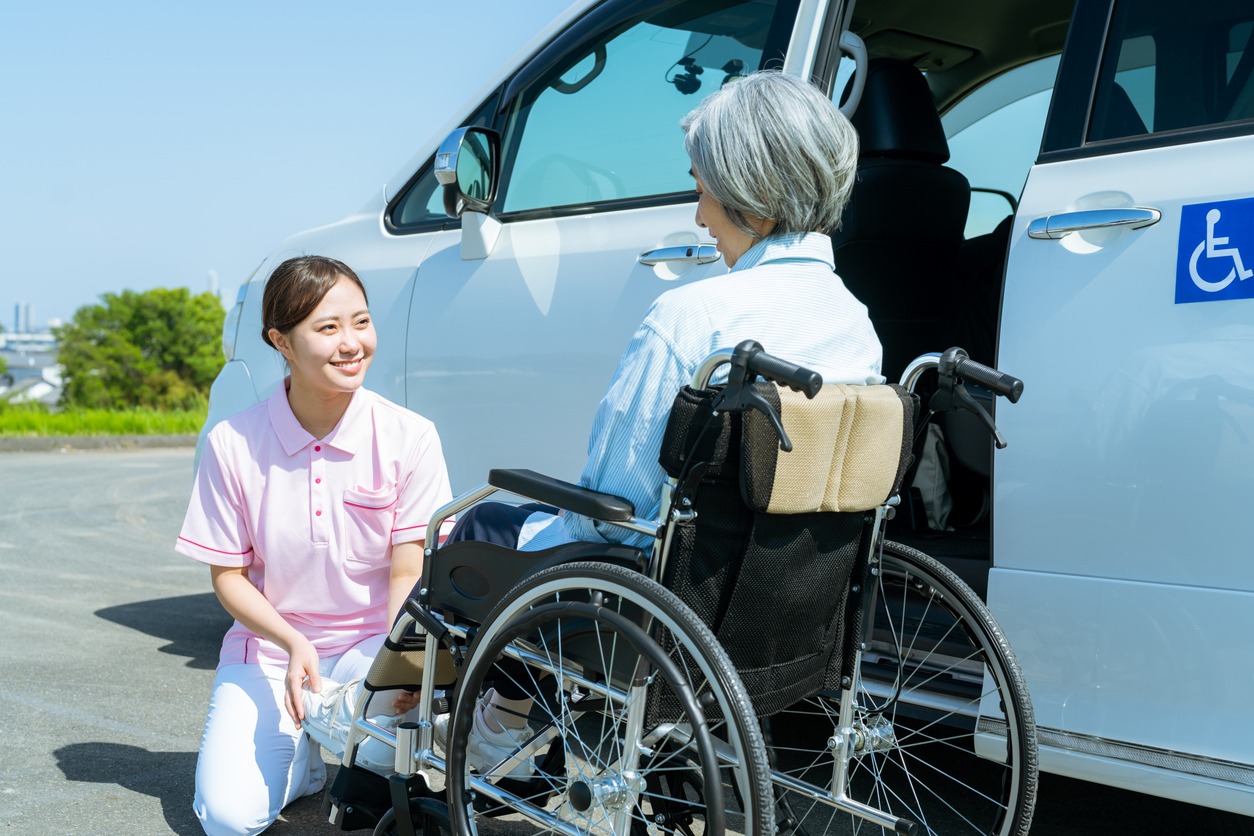
A safe experience also depends on how the driver interacts with the patient. Patients may need extra time to move, communicate, or prepare for the ride.
A driver who is patient and attentive creates a more controlled environment, reducing the likelihood of rushed movements or avoidable mistakes. This human element plays a critical role in overall safety.
Standard vehicles are not equipped to handle all types of patients. For individuals with mobility challenges, the design of the vehicle directly affects safety.
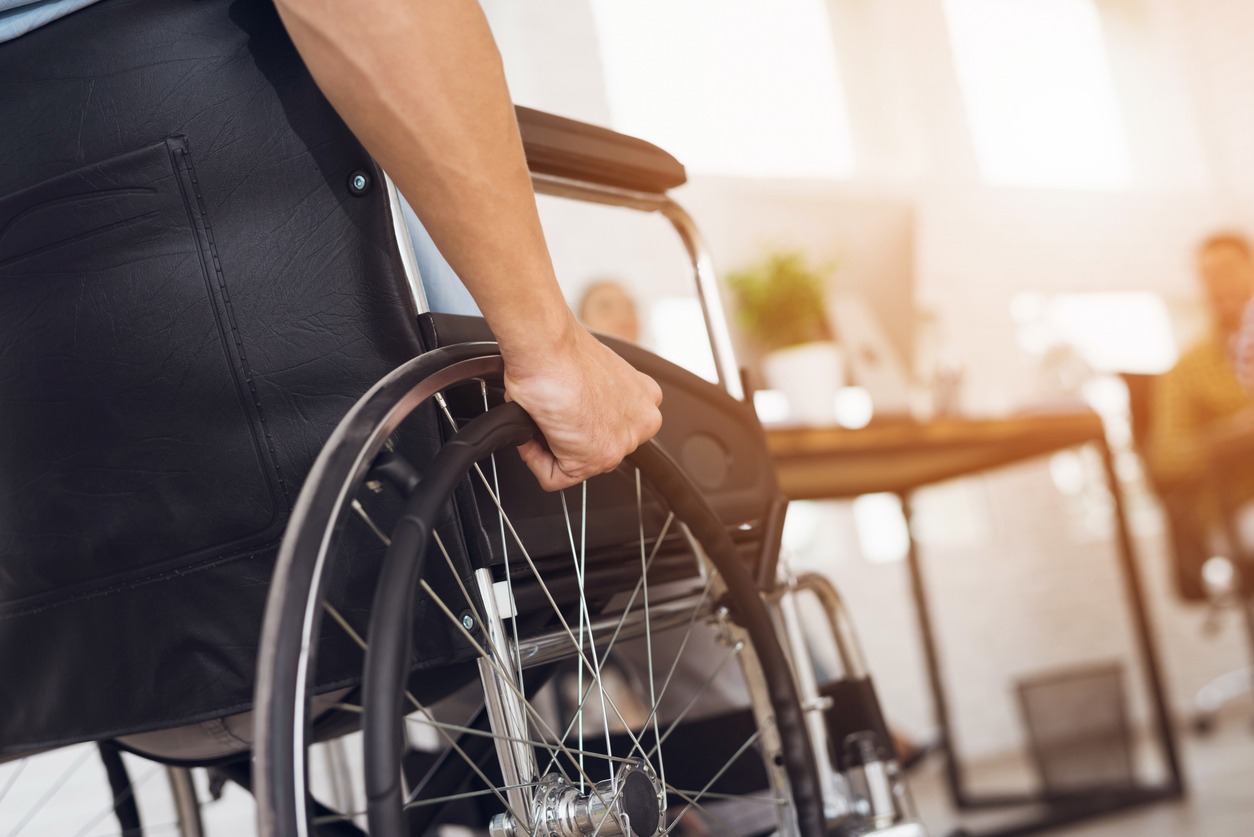
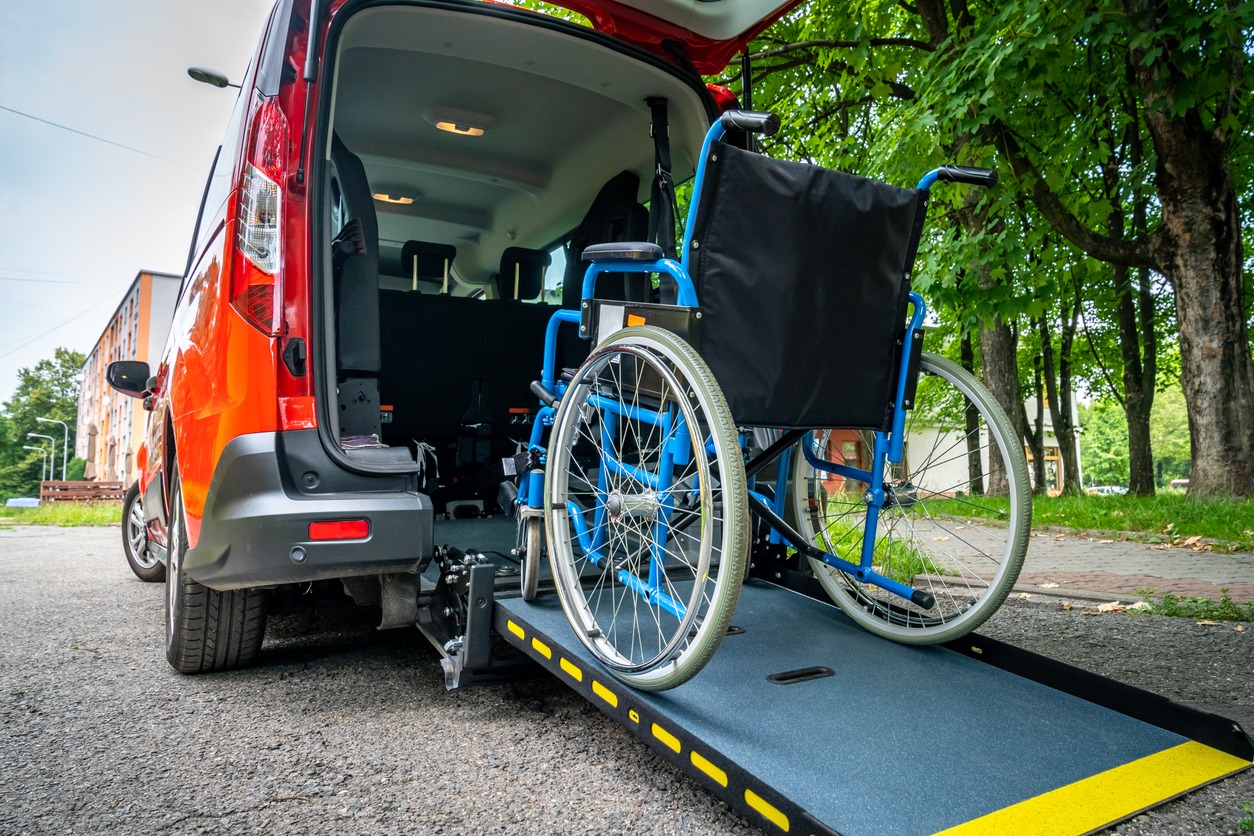
Proper medical transportation vehicles are built to accommodate wheelchairs, provide stable entry and exit points, and ensure that patients are positioned securely during the ride.
This setup is essential for preventing discomfort and reducing risk during transport.
Once the patient is inside the vehicle, safety depends on how well they are positioned. Wheelchairs must be secured properly, and seating should be stable and supportive.
A poorly secured setup can lead to movement during the ride, which can be dangerous for patients who are already physically vulnerable.
Safety in medical transportation depends on trained drivers, proper equipment, reliable scheduling, and clear communication working together.
Reliability is often seen as a scheduling issue, but it is also a safety factor. When transportation is late or inconsistent, patients may feel rushed, which increases the risk of accidents during entry or exit.
A predictable schedule allows patients to move at their own pace, reducing stress and improving safety.
When a service operates consistently, patients and caregivers know what to expect. This familiarity reduces uncertainty and allows the entire process to feel more controlled.
Over time, this consistency contributes to a safer overall experience.
Safety begins before the ride even starts. When communication is clear during booking, the provider can prepare the appropriate vehicle and level of assistance.
Miscommunication can lead to incorrect arrangements, which may create safety issues on the day of the ride.
During the process, patients should feel informed about timing and any changes that may occur. This helps prevent confusion and ensures that expectations are met.
A well-coordinated experience reduces stress and allows the patient to feel more secure throughout the journey.
It is a common misconception that all transportation services are similar. In reality, there is a clear difference between general transportation and services designed specifically for medical needs.
Medical transportation is structured to provide assistance, proper equipment, and a controlled experience. Without these elements, the level of safety is significantly reduced.
A safe medical transportation experience is not the result of one factor. It is the combination of trained drivers, properly equipped vehicles, reliable scheduling, and clear communication.
When all of these elements are in place, patients can travel with confidence, knowing that their well-being is being prioritized at every step.
Medical transportation is designed specifically for patients, which means it includes trained drivers, proper equipment, and assistance that standard transportation services do not provide.
Yes, drivers are typically trained to assist patients with mobility challenges, ensure safe transfers, and handle equipment such as wheelchairs properly.
No, only vehicles designed for medical transportation are equipped to safely accommodate patients who require additional support or specialized positioning.
Proper scheduling allows enough time for safe movement and preparation, reducing the risk of rushed situations that could lead to accidents.