
The Real Cost of Missing Medical Appointments
Learn why missed appointments create gaps in care, how transportation causes the problem, and why reliable medical rides help patients stay consistent with treatment.
Many patients assume that non-emergency medical transportation is only available in very specific situations. Some believe it is limited to emergency cases, while others think it is only for seniors or individuals with severe conditions.
In reality, the criteria are broader than most people expect. The uncertainty often comes from not fully understanding what the service is designed for and who it is meant to support.
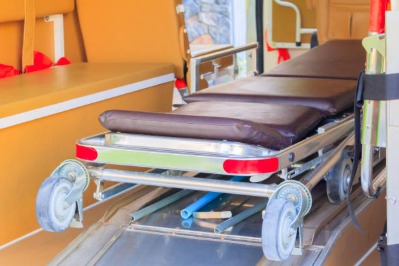
Non-emergency medical transportation exists for patients who need reliable support getting to medical appointments but do not require emergency care.
This includes situations where driving is not possible, assistance is needed, or transportation options are inconsistent. The service is designed to provide structure and reliability in these cases.
If transportation is becoming a barrier to medical care, NEMT may already be the right support option.
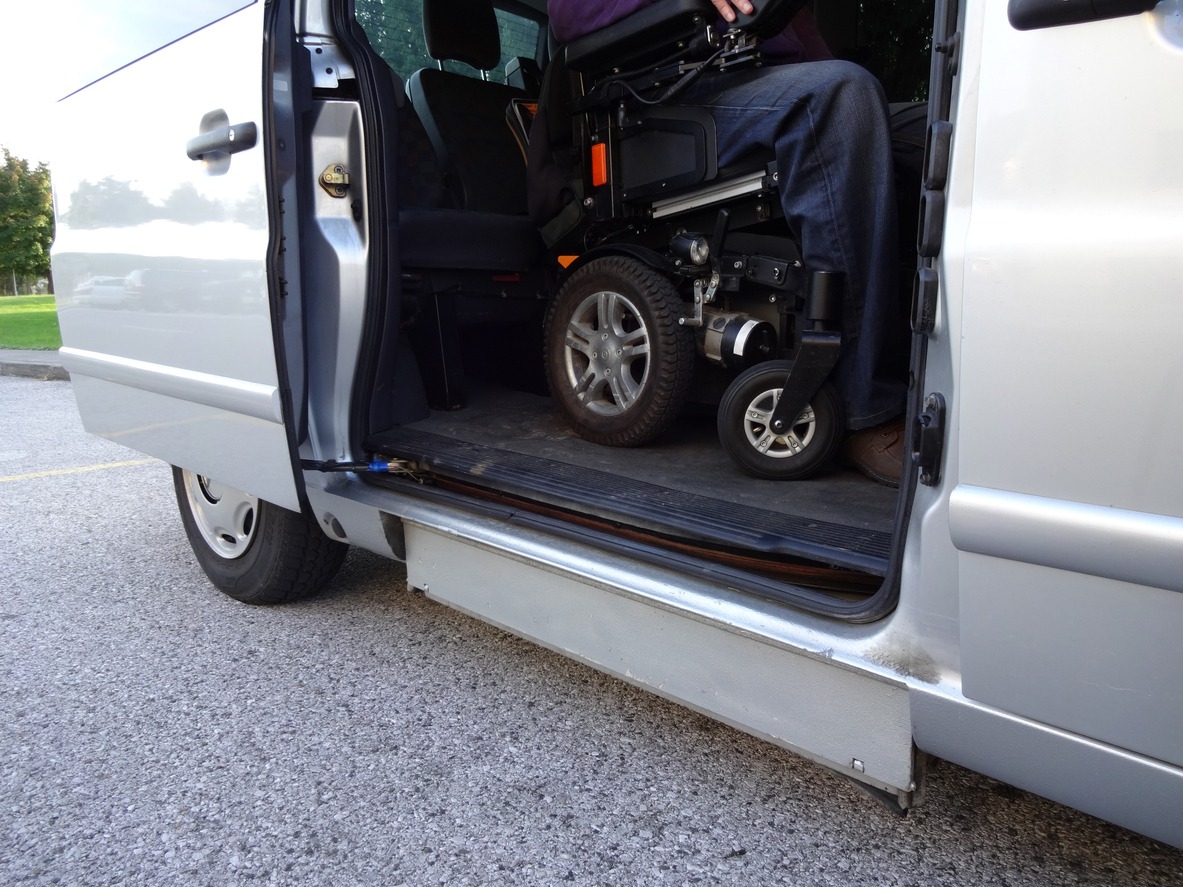
Individuals who have difficulty walking, standing for long periods, or safely entering a standard vehicle often qualify for this type of service.
Mobility challenges do not need to be permanent. Even temporary limitations, such as recovery from surgery, can make transportation difficult.
Many patients who require ongoing care, such as dialysis, chemotherapy, or physical therapy, rely on consistent transportation multiple times per week.
In these cases, missing appointments can disrupt treatment. Having reliable transportation becomes essential rather than optional.
Not every patient has a dependable way to get to appointments. Family members may not always be available, and public transportation may not align with scheduling needs.
When transportation becomes unpredictable, patients often qualify for structured support through NEMT services.
Many older adults choose to stop driving due to safety concerns. While they may still be independent in other ways, transportation becomes a challenge.
NEMT services help maintain that independence by providing a reliable way to attend appointments.
Riverside County presents unique challenges due to its size and travel distances. Patients often need to travel between cities, which can make standard transportation options less practical.
Because of this, more patients find themselves in situations where they qualify for transportation support.
Qualification is not always based on strict categories. In many cases, it comes down to whether the patient can safely and reliably get to their appointment without assistance.
If transportation is creating a barrier to care, that is often a strong indicator that support is needed.
Many patients delay using transportation services because they are unsure if they qualify. During that time, appointments may be missed or rescheduled.
What could have been handled early becomes a larger issue over time. Understanding eligibility sooner helps prevent that cycle.
When patients use the appropriate level of transportation, attending appointments becomes more predictable.
This consistency supports better health outcomes and reduces stress for both patients and caregivers.
Non-emergency medical transportation is designed to make healthcare more accessible.
If getting to appointments has become difficult, stressful, or unreliable, it may already be a sign that this type of service is the right solution.
No, NEMT services are available to patients of all ages who require assistance or reliable transportation for medical appointments.
Yes, temporary conditions such as post-surgery recovery often qualify, especially if mobility or safety is affected.
NEMT services can be used both for recurring appointments and occasional needs, depending on the situation.
If transportation is preventing you from attending appointments safely or consistently, it is a strong indication that you may qualify for support.