
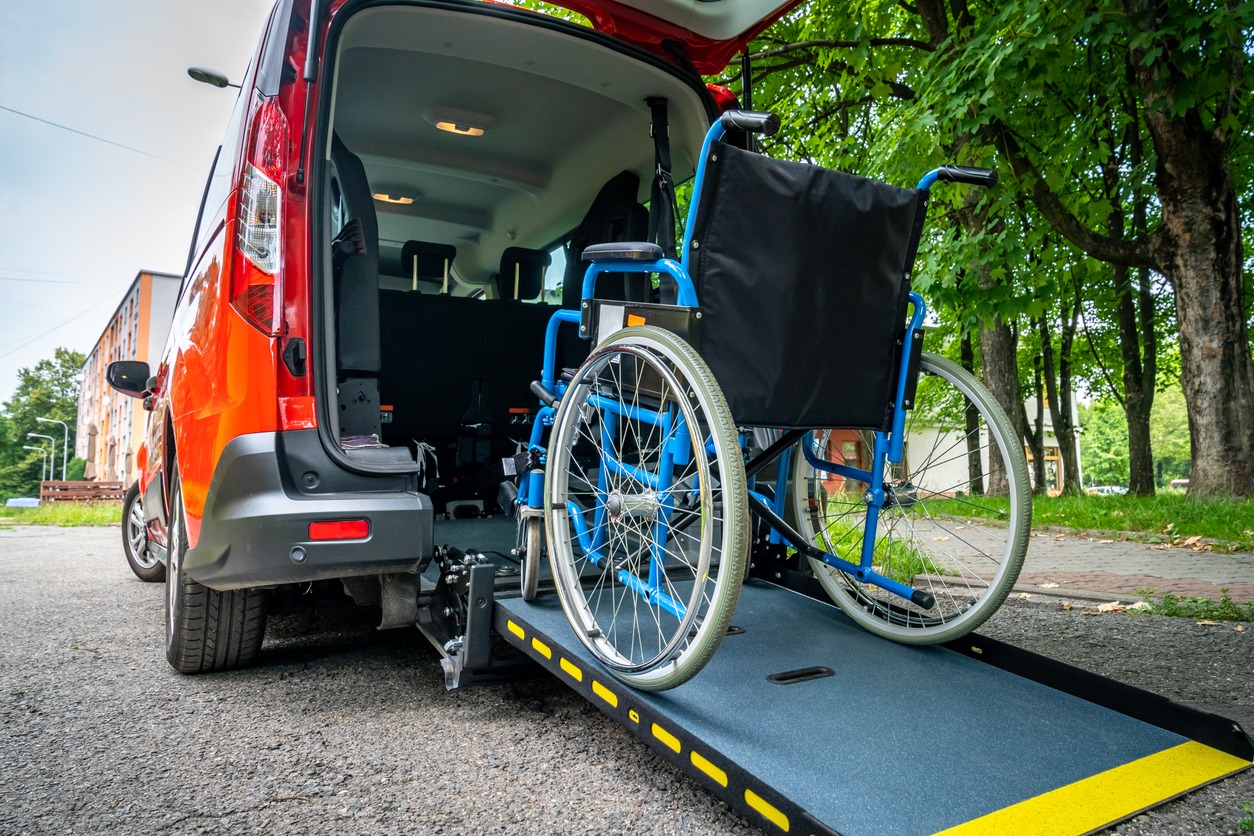
What to Expect From a NEMT Ride
Learn what happens before, during, and after a non-emergency medical transportation ride so you can feel prepared, safe, and confident before your first booking.
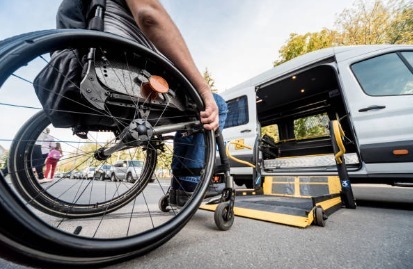
For clinics and care facilities, patient care does not begin and end inside the building. It starts much earlier, with the ability of the patient to arrive on time and consistently.
When patients struggle to get to appointments, the entire care process becomes disrupted. Treatments are delayed, follow-ups are missed, and healthcare providers are left without the ability to monitor progress properly.
Transportation, in this context, is not just a logistical detail. It is a fundamental part of maintaining consistent and effective care.
Missed appointments create a ripple effect. For patients, it means delays in care and potential health risks. For clinics, it leads to inefficiencies in scheduling and lost time that cannot be recovered.
Over time, frequent no-shows make it more difficult to maintain structured care plans, especially for patients who require ongoing treatment.
Many patients depend on family members or caregivers for transportation. While this can work in some cases, it is not always reliable.
Conflicts in schedules, last-minute changes, or unexpected issues can prevent patients from arriving on time. This unpredictability makes it difficult for facilities to manage appointments effectively.
Non-emergency medical transportation provides a system that clinics can rely on. Instead of depending on uncertain arrangements, transportation becomes scheduled, coordinated, and consistent.
This structure allows patients to attend appointments regularly, which supports better treatment outcomes.
Without a reliable transportation solution, clinic staff often spend time coordinating rides, rescheduling appointments, or managing last-minute cancellations.
When transportation is handled by a dedicated service, staff can focus on patient care instead of logistics. This improves efficiency across the entire operation.
Reliable NEMT services help clinics reduce missed appointments, improve patient consistency, and support smoother daily operations.
When patients attend appointments regularly, healthcare providers can monitor conditions more effectively and adjust treatments as needed.
This consistency is especially important for patients undergoing ongoing treatments, where missing even a single session can affect progress.
Knowing that transportation is handled removes a significant source of stress for patients. They no longer need to worry about how they will get to their appointments or whether they will arrive on time.
This sense of stability allows patients to focus on their health rather than the challenges around it.
In Riverside County, clinics often serve patients from multiple cities. Travel distances can be significant, and coordinating transportation across these areas requires careful planning.
Without a structured system, it becomes difficult to maintain reliable schedules.
Transportation providers with local knowledge understand travel patterns, common routes, and how to plan for delays.
This experience helps ensure that patients arrive on time, even when traveling longer distances between cities.
Clinics need transportation providers they can depend on. This includes consistent arrival times, clear communication, and the ability to coordinate schedules effectively.
Without these elements, transportation becomes another source of uncertainty rather than a solution.
Facilities serve a wide range of patients, each with different levels of mobility and assistance requirements.
A transportation provider must be able to accommodate these differences while maintaining the same level of reliability and care.
For clinics and care facilities, reliable transportation is not just an added service; it is a key part of delivering consistent care.
When patients can attend appointments without difficulty, providers can focus on treatment, staff can operate more efficiently, and the entire system becomes more stable.
Clinics rely on NEMT services because they provide structured, reliable transportation that is specifically designed to support patients with medical needs.
Reliable transportation increases the likelihood that patients will attend appointments consistently, reducing missed visits and improving overall care.
Yes, many NEMT providers work directly with clinics to coordinate transportation for multiple patients while maintaining organized schedules.
Local experience helps providers navigate travel distances, traffic patterns, and scheduling challenges, which improves reliability and ensures patients arrive on time.