How Non-Emergency Medical Transportation Works in Riverside County
A local guide for patients and caregivers explaining how NEMT works in Riverside County, from scheduling and assistance to reliable return transportation.

For many patients and caregivers, the hardest part isn’t deciding to use non-emergency medical transportation; it’s knowing how to get started.
The process can feel unclear at first. People often wonder what details they need, how early they should book, and whether they’re choosing the right type of service. This uncertainty can delay action, even when transportation is clearly needed.
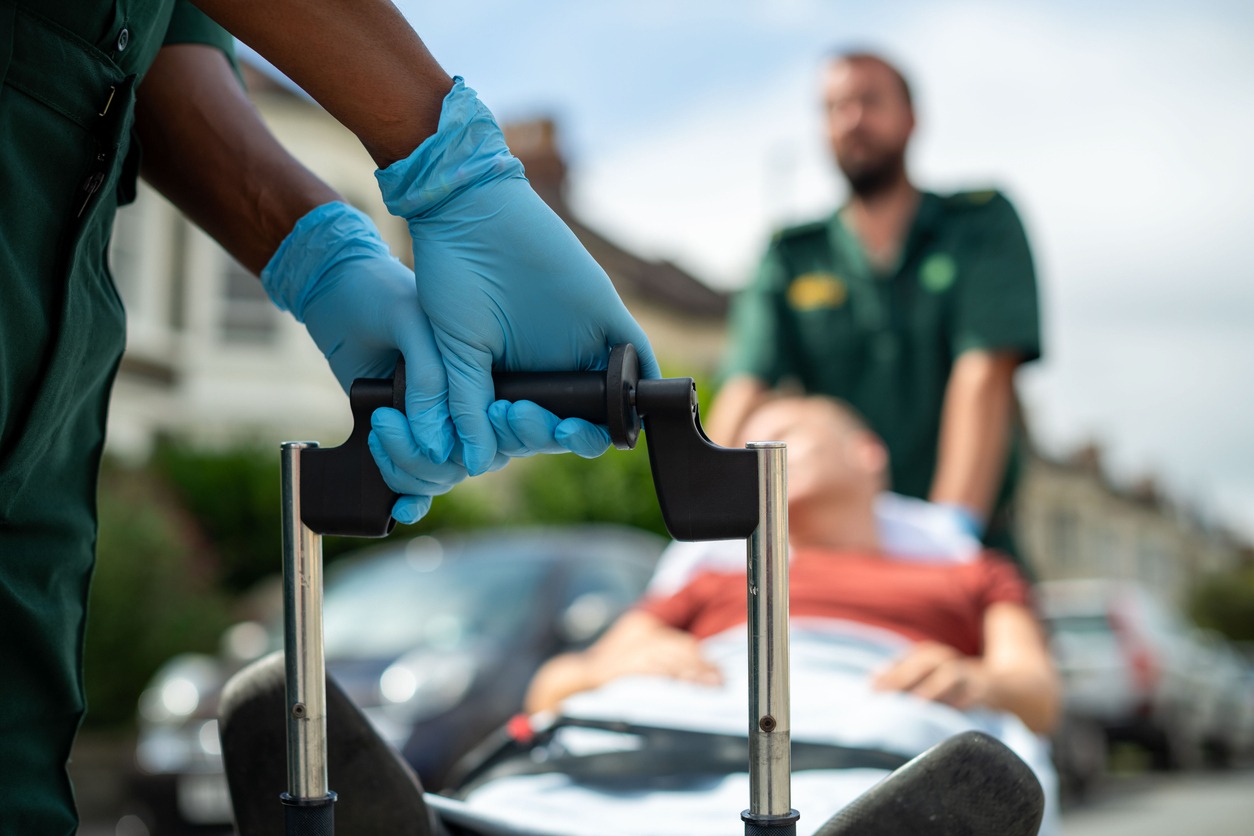
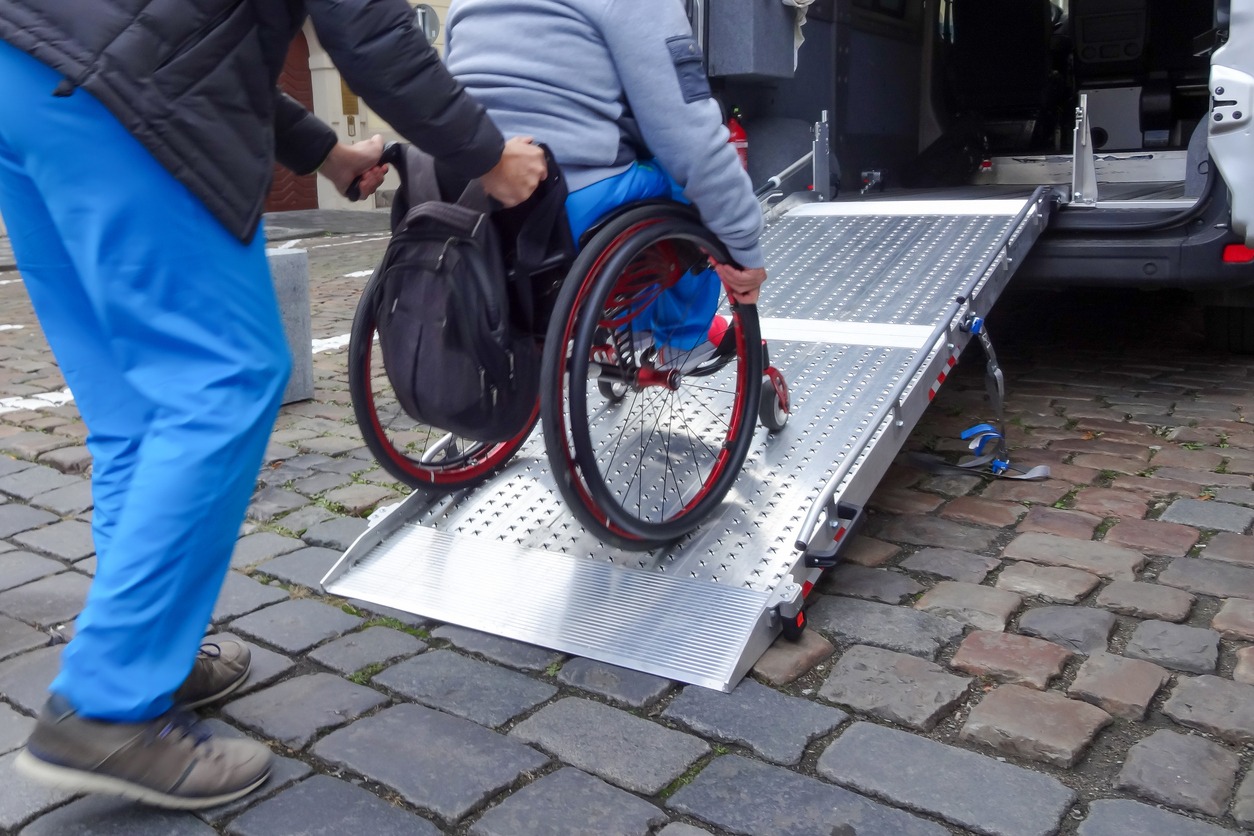
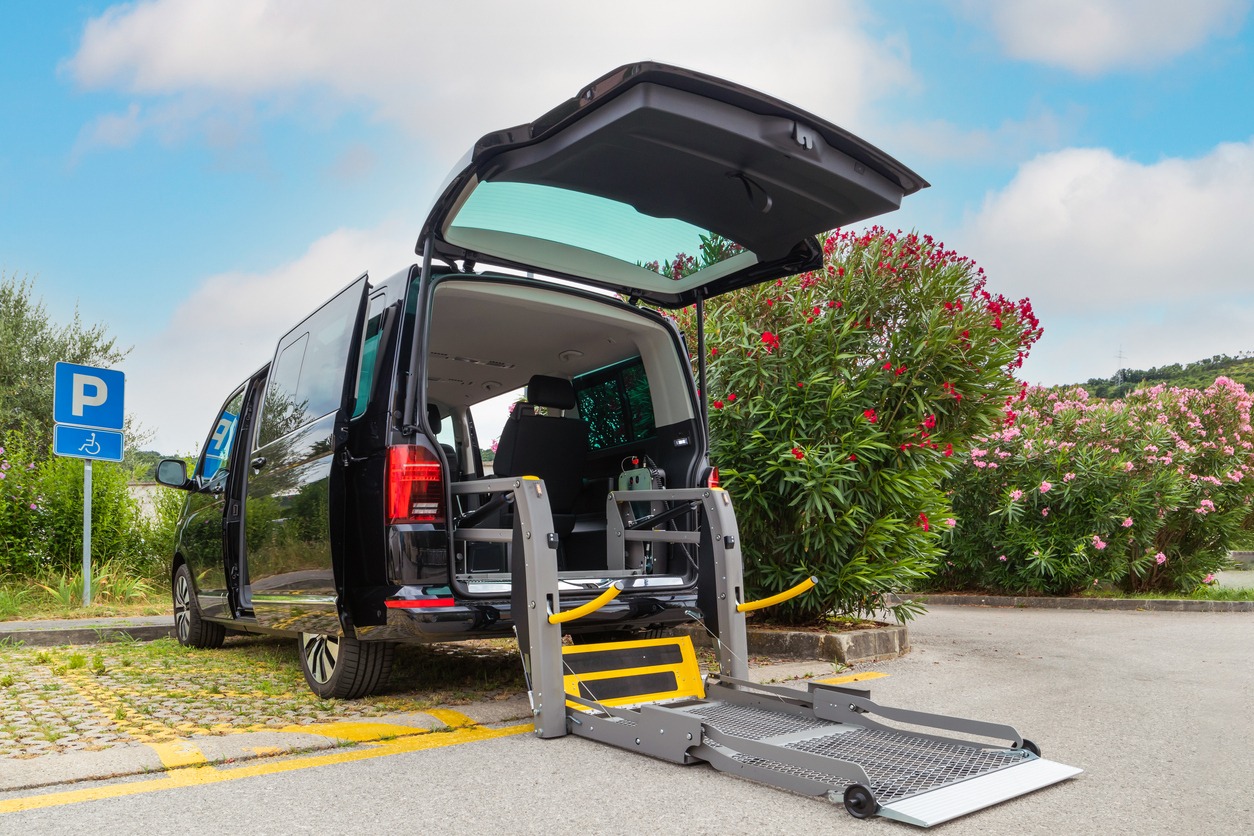
Before scheduling a ride, it’s important to understand the level of assistance required. Some patients are able to walk independently, while others may need wheelchair support or stretcher transportation.
Knowing this ahead of time ensures that the correct vehicle and level of support are arranged, preventing complications on the day of the appointment.
Accurate information about the appointment is essential. This includes the date, time, location, and any specific instructions related to the visit.
These details allow the transportation provider to plan timing properly, especially in areas like Riverside County where travel between cities can take longer than expected.
The first step is to schedule the ride ahead of time. Waiting until the last minute can create unnecessary stress and limit availability.
By booking in advance, patients and caregivers give the provider enough time to organize the ride properly and ensure that all details are aligned.
Once the ride is scheduled, the next step is confirming the details. This includes verifying pickup time, location, and the type of assistance required.
Clear confirmation helps avoid misunderstandings and ensures that both the patient and the provider are prepared.
Preparation before the ride makes the experience smoother. Patients should be ready within the scheduled pickup window and have any necessary items prepared for their appointment.
This reduces delays and helps keep the entire process on schedule.
A smooth medical ride starts before the vehicle arrives. The right information, clear communication, and early scheduling make the experience easier for everyone.
After booking is complete, the biggest difference patients notice is clarity. Instead of worrying about how they will get to their appointment, they know what to expect.
The driver arrives within the scheduled timeframe, and the process follows a clear structure. This predictability is what reduces stress for both patients and caregivers.
Good communication plays a key role in the experience. Patients should feel informed about timing, pickup, and any changes if they occur.
When communication is clear, the entire process feels more controlled and manageable.
Delaying the booking process can lead to limited availability or rushed coordination. Planning ahead is one of the simplest ways to avoid unnecessary issues.
Failing to clearly explain mobility or assistance needs can result in the wrong type of vehicle being assigned. This can create complications on the day of the ride.
Not all transportation services are designed for medical needs. Choosing a service that doesn’t provide the necessary support can lead to an uncomfortable or unsafe experience.
Booking a medical ride should not feel complicated. When the process is clear and structured, patients and caregivers can focus on what matters most: the appointment itself.
With the right approach, transportation becomes a reliable part of the routine instead of a source of stress.
It is best to schedule transportation at least one to two days in advance to allow enough time for proper coordination, especially in areas with longer travel distances.
You will typically need to provide your appointment time, pickup and drop-off locations, and details about any assistance or mobility support required.
Yes, caregivers and family members can schedule transportation on behalf of a patient, as long as all necessary details are provided accurately.
If there are any changes, it is important to communicate them as soon as possible so adjustments can be made to the transportation schedule.